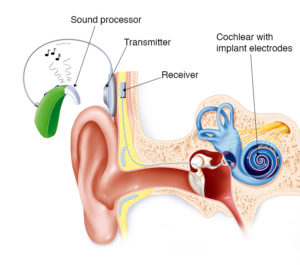
NEUROLOGY
Neurology is a branch of medical science that is concerned with disorders and diseases of the nervous system. Neurology is medical speciality dealing with the inborn, developmental and acquired, acute and chronic diseases of the central and peripheral nervous system and skeletal muscle at all ages.

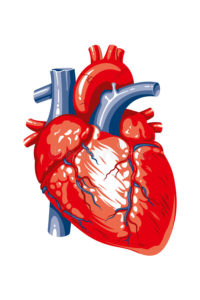
Cardiology
Cardiology is a branch of drugs that concerns diseases and disorders of the guts, which can range from congenital defects through to acquired heart diseases like arteria coronaria disease and congestive coronary failure. Cardiology is the branch of internal medicine dealing with disorders of the heart and blood vessels.
.
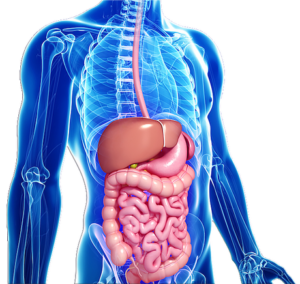
GASTRO-ENTEROLOGY
Gastroenterology is the branch of medicine focused on the digestive system and its disorders. Diseases affecting the gastrointestinal tract, which include organs from mouth to anus, along the alimentary canal, are the focus of this speciality. This includes the oesophagus, stomach, small intestine, colon and rectum, pancreas, gallbladder, bile duct and liver.
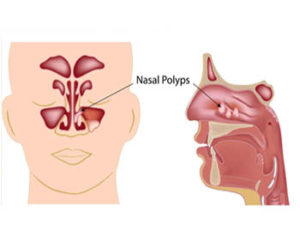
ENT SURGERY
ENT surgery focuses on surgically treating disorders of the ears, nose, and throat. This type of surgery is performed by an otolaryngologist, a doctor trained to treat patients with disorders and diseases of the ears, nose, throat, and other structures of the neck and face.
ORTHOPEDIC
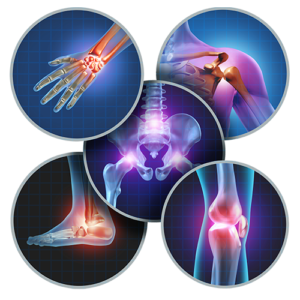
Orthopedics is a branch of medicine that focuses on the care of the musculoskeletal system. This system is made up of muscles and bones, as well as joints, ligaments, and tendons.Orthopedics is a medical specialty that focuses on treating injuries and diseases of the musculoskeletal system. Some of these conditions are present at birth, while others may occur as a result of injury or age-related wear and tear.
ONCOLOGY
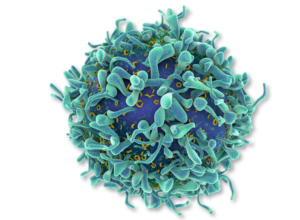
A branch of medicine that specializes in the diagnosis and treatment of cancer. It includes medical oncology (the use of chemotherapy, hormone therapy, and other drugs to treat cancer), radiation oncology (the use of radiation therapy to treat cancer), and surgical oncology (the use of surgery and other procedures to treat cancer).
NEPHROLOGY
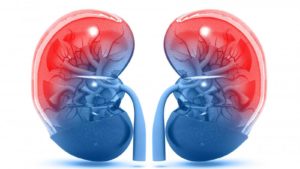
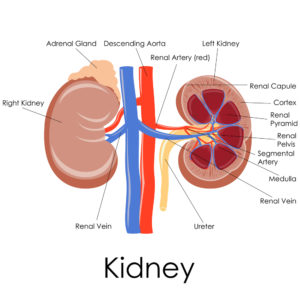
Nephrology is a specialty of medicine and pediatrics that concerns itself with the study of normal kidney function, kidney problems, the treatment of kidney problems. Nephrology will now started to discuss the latest technologies and therapeutic aspects developed for various kidney diseases.
GYNECOLOGY
Gynecology meaning the study of women, is a medical specialty dealing with the health of a woman’s genital tract. The genital tract is made up of the reproductive organs including the vagina, cervix, uterus, ovaries, fallopian tubes, and their supporting structures.

UROLOGY
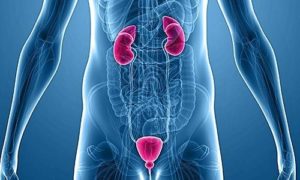
Urology is a part of health care that deals with diseases of the male and female urinary tract(kidneys, ureters, bladder and urethra). It also deals with the male organs that are able to make babies (penis, testes, scrotum, prostate, etc.).
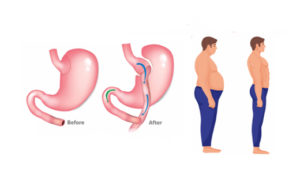
BARIATRIC SURGERY
Bariatric surgery is a surgery that is designed to lead to weight loss. There are actually four different types of bariatric surgical procedures that can be done to help patients achieve weight loss. The patient can only eat small amounts of food at a time or will change the way that the digestive system can absorb the food the patient eats.
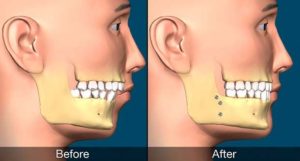
FACIAL MAXILLARY SURGERY
Maxillofacial Surgery is the specialty of dentistry which includes the diagnosis, surgical and adjunctive treatment of diseases, injuries and defects involving both the functional and aesthetic aspects of the hard and soft tissues of the oral and maxillofacial region.
COSMETIC SURGERY
Cosmetic surgery is a unique discipline of medicine focused on enhancing appearance through surgical and medical techniques. Cosmetic surgery can be performed on all areas of the head, neck and body. Because treated areas function properly but lack aesthetic appeal, cosmetic surgery is elective.

World Class Transplant Services
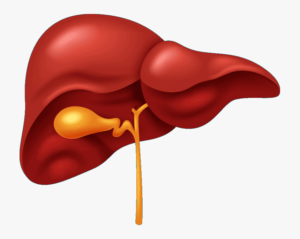
Liver
Kidney
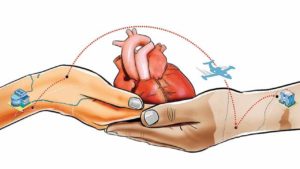
Heart
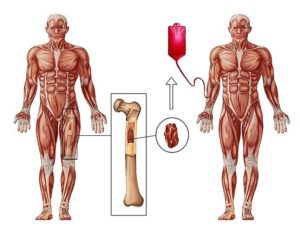
Bone Marrow
Cochlear Ear